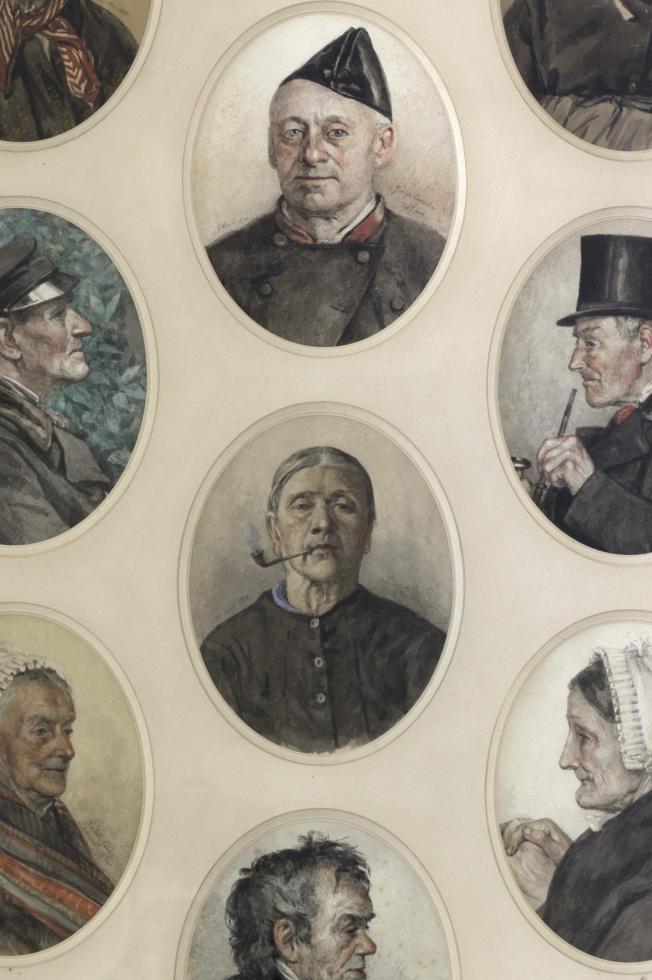
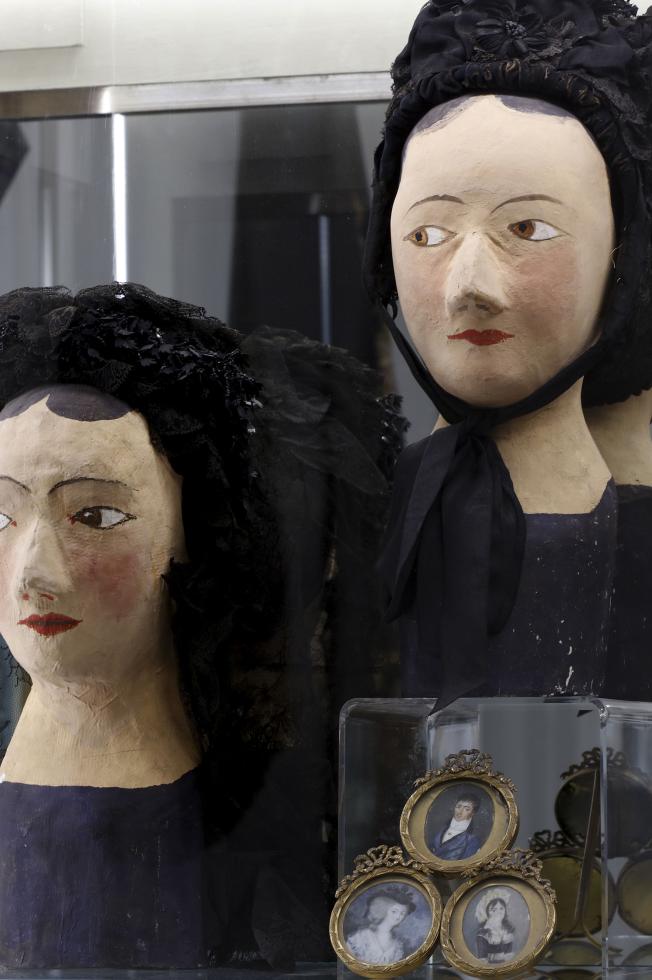
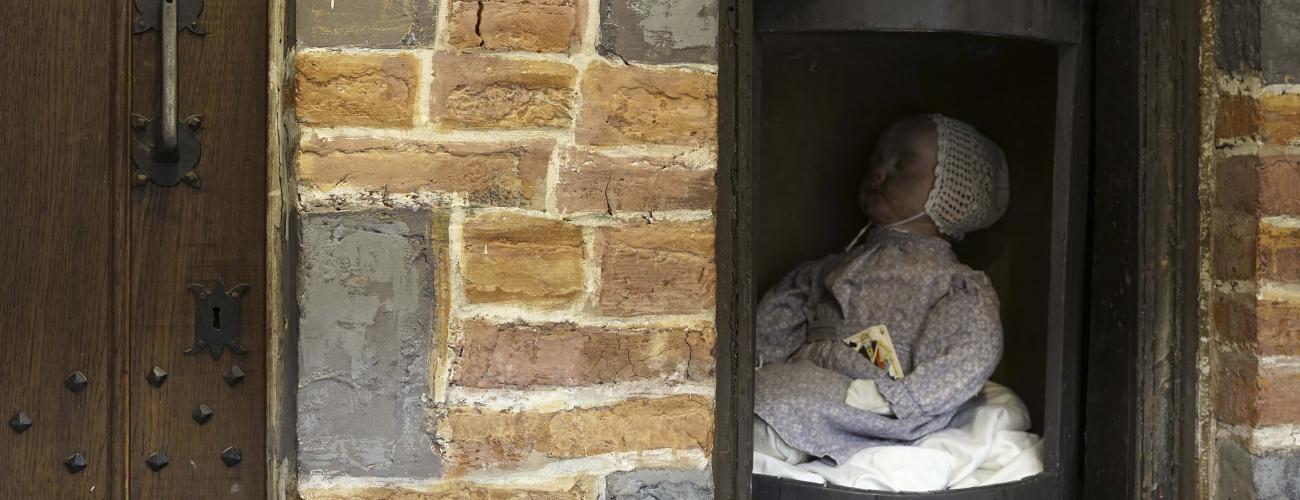
Dressing, eating, learning, self-care, relaxing, gathering and meeting are all aspects of social life that the MuFIm gathers traces of. The historical reconstructions and surprising, ingenious and elegant objects are bursting with ideas and invite you on a joyful exploration of different ways of living and thinking.
Discover testimonies of ancient or still very much alive craftsmanship, including crafts and tools in textiles, in the home, in the first industries, in agriculture and among butchers, bakers, pharmacists, doctors, blacksmiths, brewers, stonemasons, peddlers, merchants and others.
A must
The balotil (a contraction of "bas à outil" (or tool stockings)) knitting machine was the first donation received by the museum in 1928, even before it moved into the Réduit des Sions building. Used in hosiery to make stockings and other knitted garments, it evokes the working-class life and home-based textile work that so characterise the region. It also bears the marks of the museum’s history: barely touched by the flames, it escaped the fire of 1940 and was returned to the exhibition after the war in a completely rebuilt building.
Colourful characters
These real or mythical characters are deeply ingrained in the minds of Tournai’s people. Their history, passed down through processions of giants or popular texts, songs and poems, tells a story about the town and its inhabitants.
Grand-Mère Cucul, a grocer beloved by children, has become a giant of the Saint-Piat district. There is also a giant for Louis XVIII, the cantankerous porcelain repairman who roamed the streets of the city in the 19th century. Louis Spinette was a takeaway fried potato vendor. His fritkot handcart and working equipment were donated to the museum in the 1930s...
Travail et vie quotidienne
This album contains 4 items.